Release order
The galleries follow first releases rather than fictional chronology or the date of a later port.
A museum of videogame evolution
Nine long-form galleries trace how foundational games changed their rules, cameras, controllers, worlds, audiences, and ideas—without losing the thing that made each one recognizable.
Enter the museum109milestones
9galleries
54years of play
00 / Orientation
Each room follows one lineage in release order. Every object pairs a clear date and platform with one question: what changed here?Images come from official publisher archives, museums, and preserved contemporary captures—not the low-resolution magazine pages that inspired the collection.
01—09 / Galleries
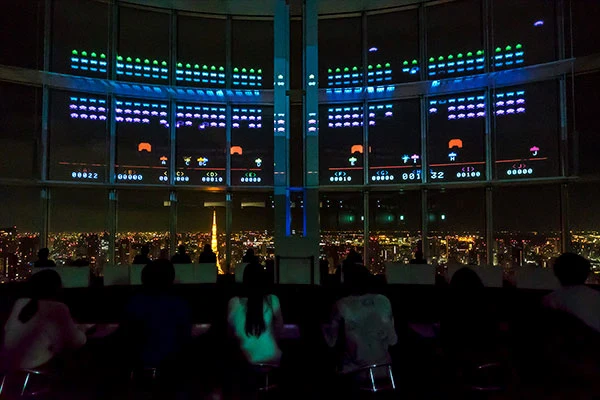 The founding gallery
The Formation
A descending formation grows from one arcade screen into home variations, rhythm, role reversal, mobile evolution, and room-scale public play.
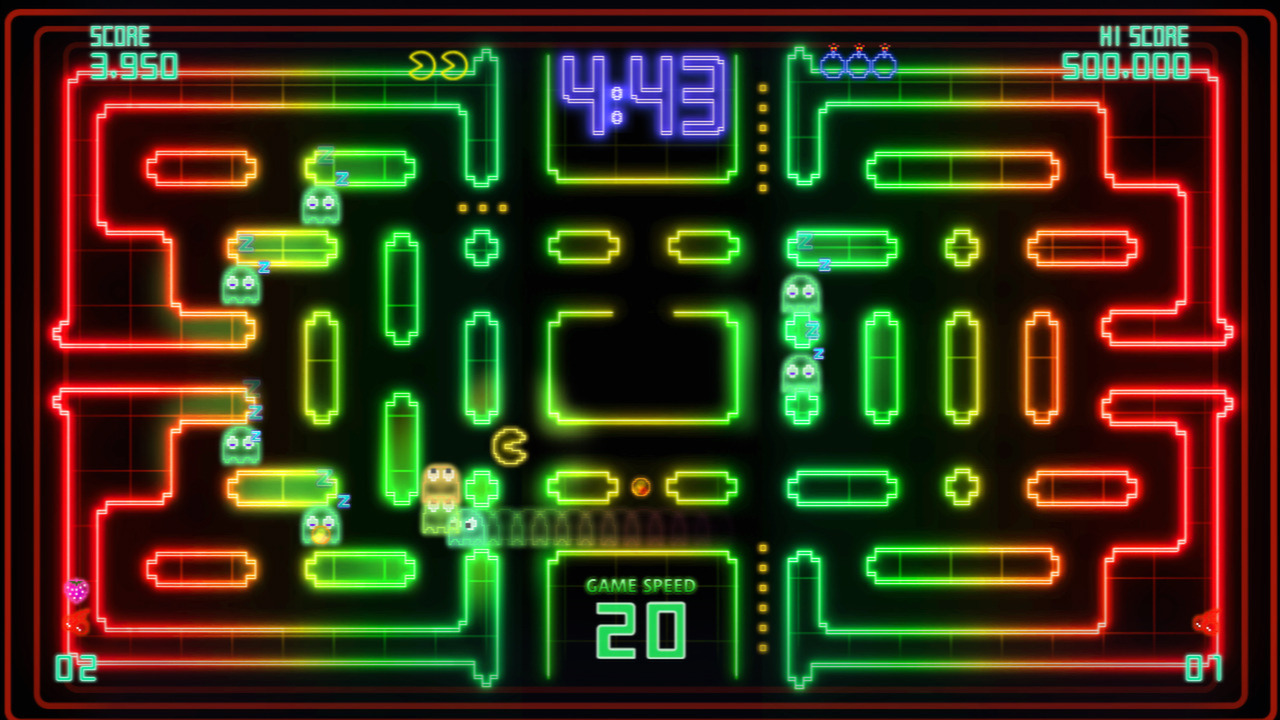 One rule set escapes its original maze
The Maze
PAC-MAN’s history is the story of an extraordinarily legible chase escaping its original maze—into new viewpoints, genres, controls, spectacles, and social spaces.
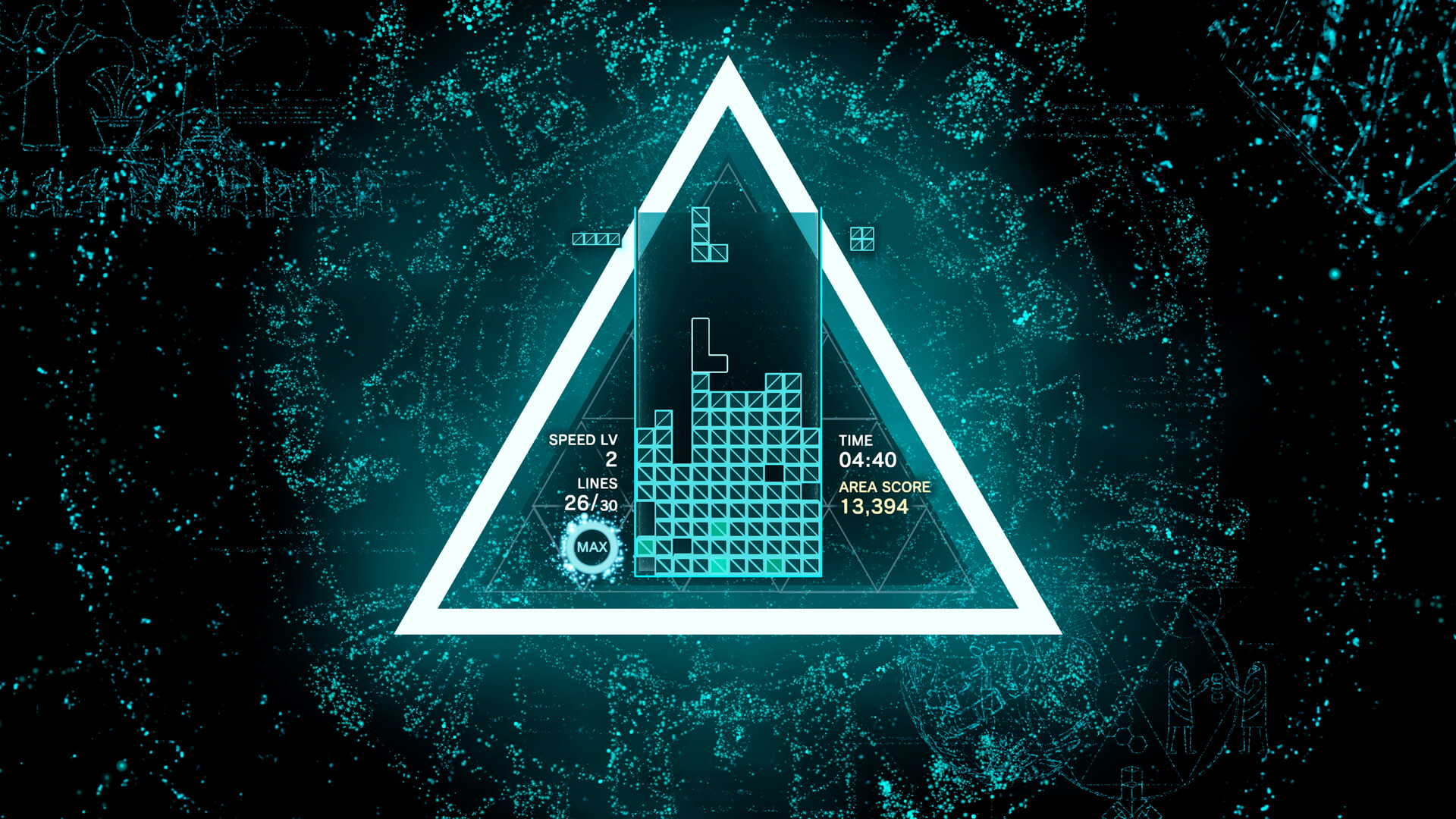 Seven pieces, endlessly recontextualized
The Stack
Tetris barely needed to change its seven pieces; its evolution came from changing the machine, the audience, the speed, the body, the spectacle, and the number of people sharing the act of making order.
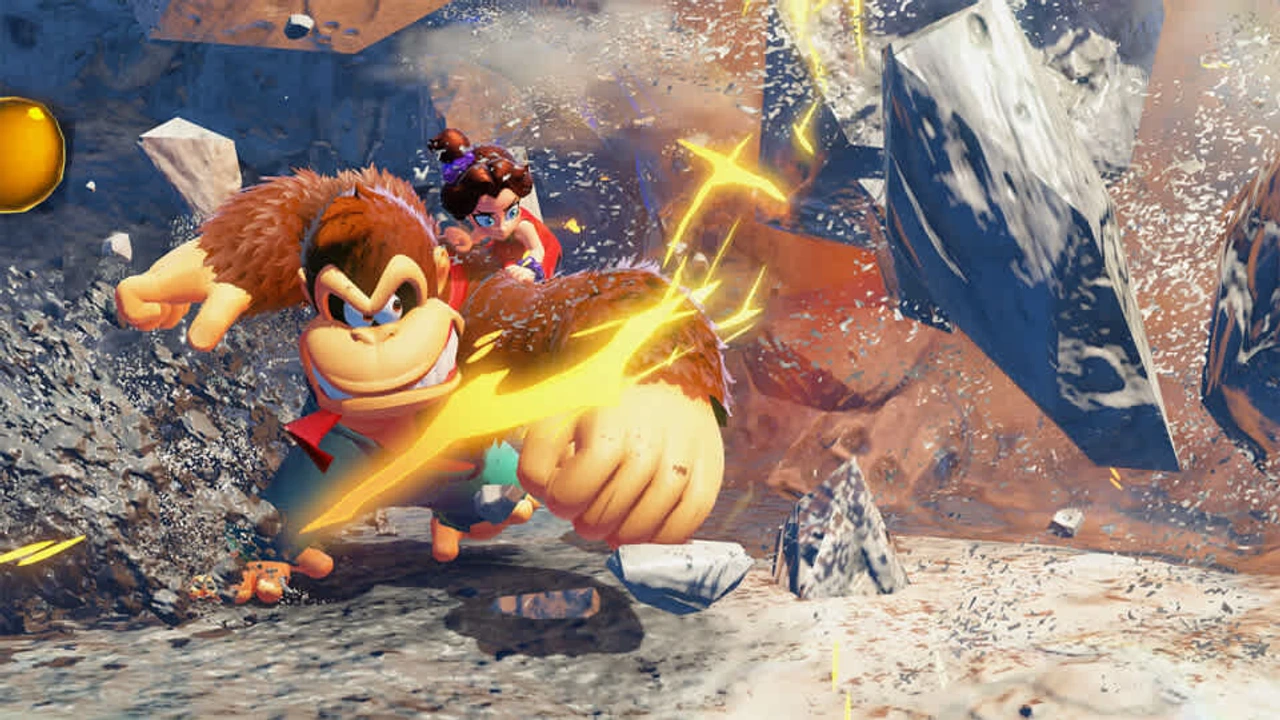 Platforming rebuilt around the body
The Climb
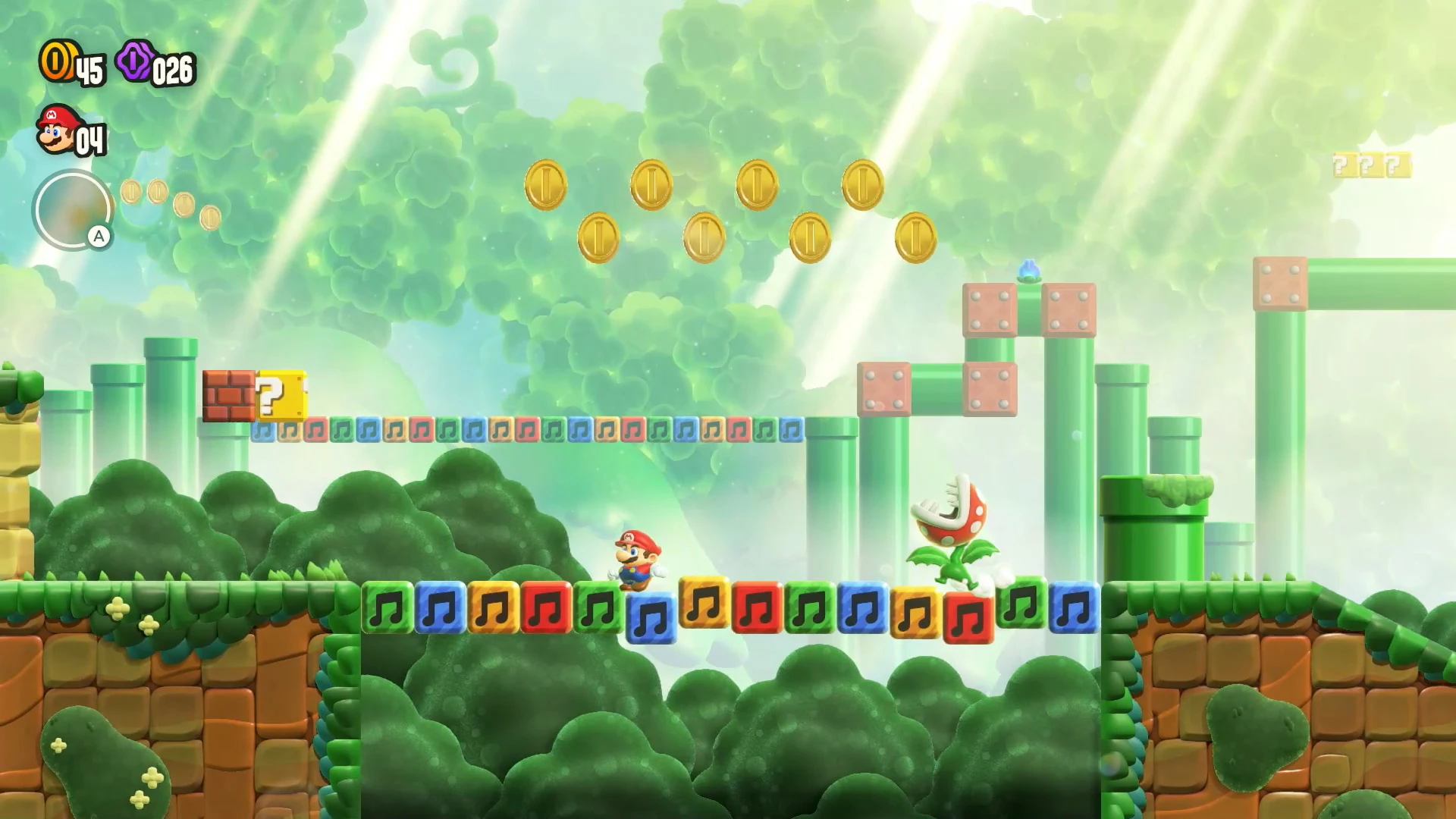
Donkey Kong repeatedly rebuilt platforming around the body: first an obstacle, then a climber, partner, percussion instrument, and finally a force that reshapes terrain.
 One jump becomes a universal design language
The Jump
One jump evolved from a momentum equation into a design language capable of explaining scrolling worlds, analog space, gravity, possession, and surprise.
 From secrets to systems
The World
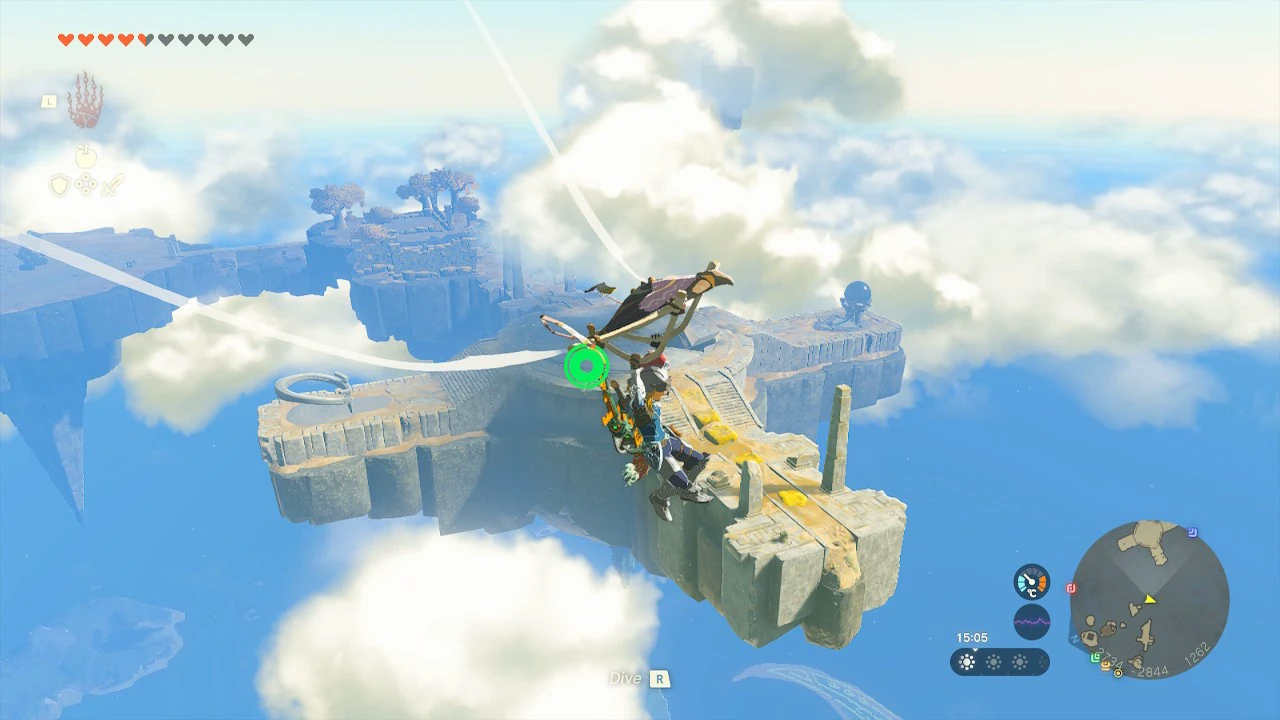
Zelda’s evolution is the history of player agency: from an unexplained map, through parallel worlds, time loops, touch and motion, to landscapes players can climb, solve, and rebuild.
 One simulated runway becomes a living planet
The Horizon
A technical history of how one simulated runway expanded into a living digital planet—and then became a place to work.
 Fear changes when the player’s position changes
The Camera
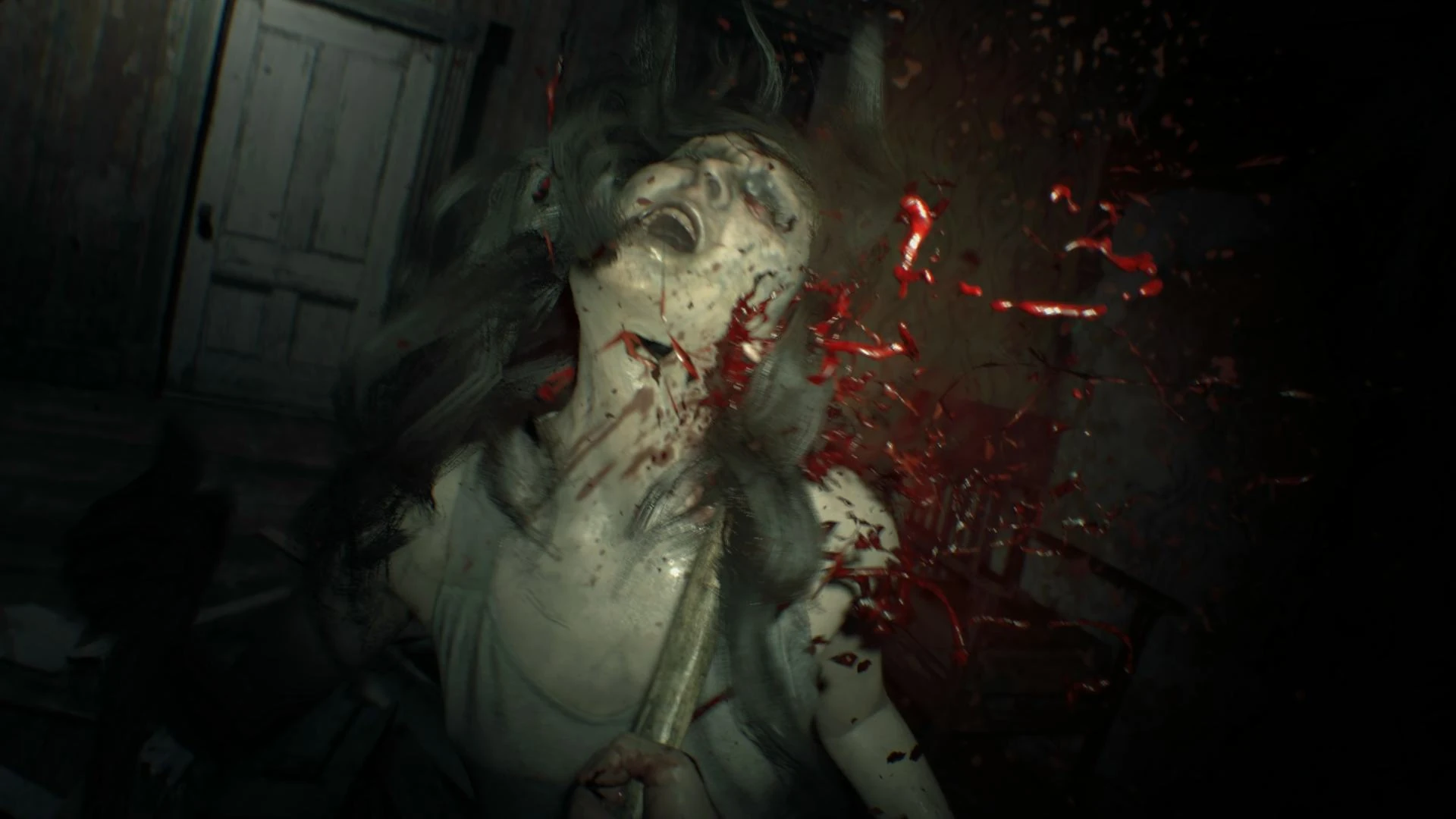
Resident Evil repeatedly changes where the player stands—and therefore what fear feels like.
 A classroom role-play learns to question its history
The Journey
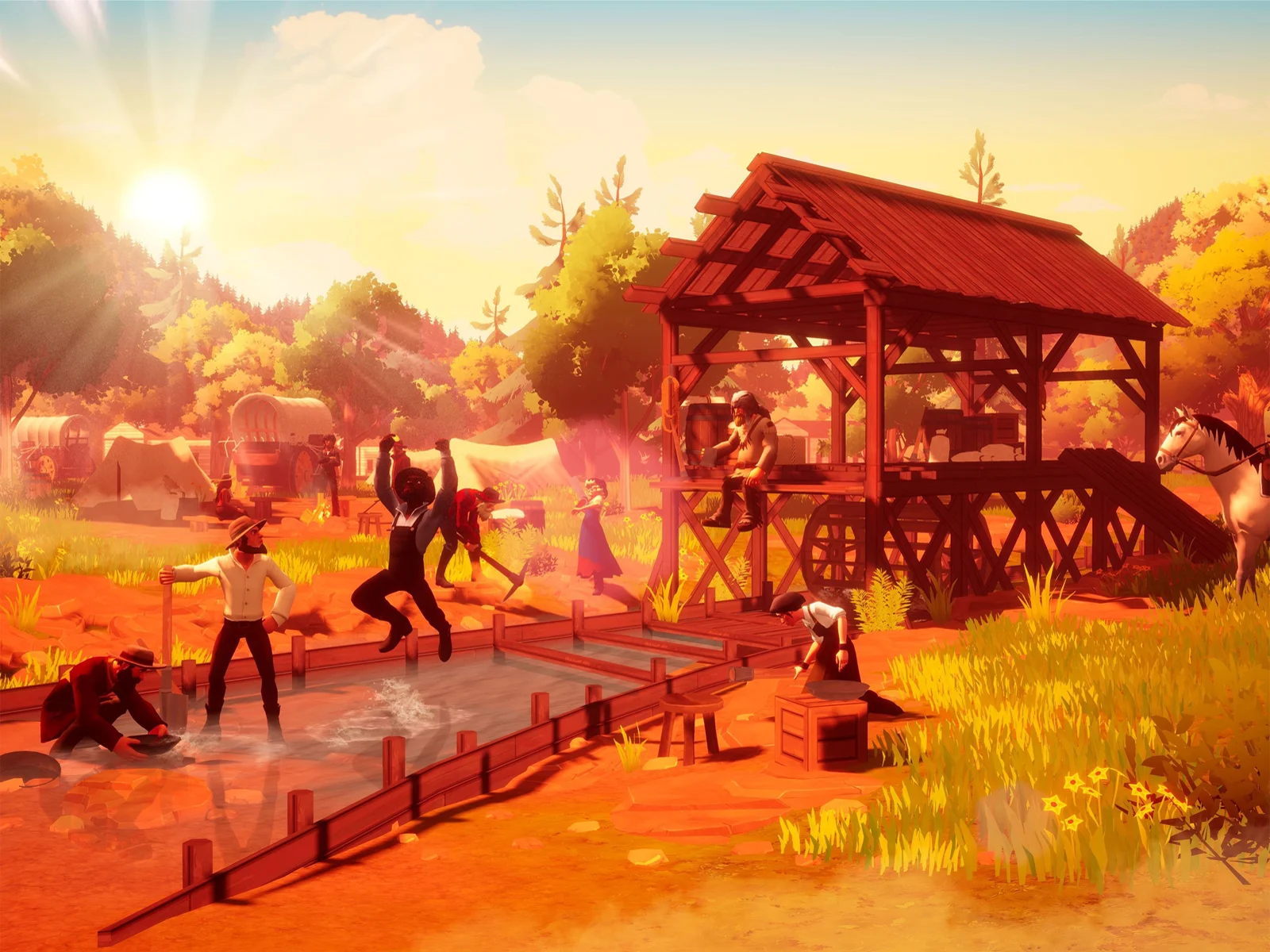
A classroom role-playing exercise became a national computing ritual, then gradually learned to question the history it was teaching.
Method
The galleries follow first releases rather than fictional chronology or the date of a later port.
Each milestone isolates the design change that made the new entry historically useful.
Every gallery includes image credit links and a source ledger for further classroom research.